The lexicon
The Long Dusk, explained without spoiling it.
Every term below appears in the published books, and every entry stops short of a reveal. You can read this page before Book One and lose nothing.
The short version: the sun is dimming over centuries rather than going out, true daylight survives only in a shrinking band around the equator, and the reason for both is a bargain struck a very long time ago that is still being paid. Everything else follows from that.
How it works
Six rules, and the rest follows.
A reader who has these six can follow any of the five books. Nothing below is a spoiler; it is the physics of the place, and every volume assumes you have picked it up by chapter three whether or not anybody stopped to explain it.
-
01
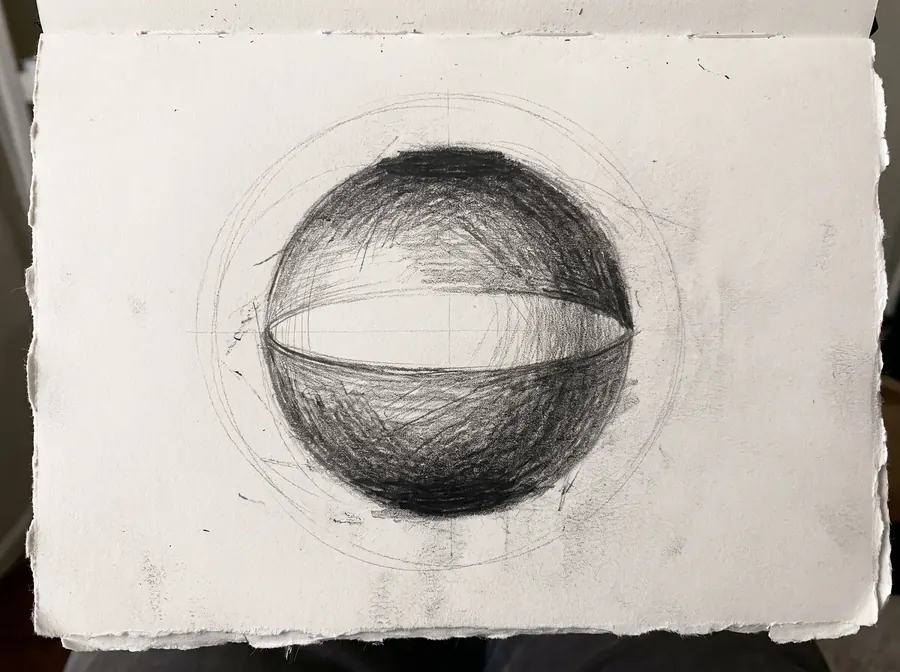
The sun is not dying. It is being spent.
True daylight survives only in a belt around the equator, and the belt is narrower every generation. The dark is not creeping in from outside; it is being drawn down from the sun itself, at a rate that was agreed to. Both poles went first, then the old northern and southern latitudes, which are now the dusk-lands. What is left in the middle is the light-band, and it is walled, crowded and expensive.
So Everything political in these books is a fight over a shrinking asset. The courts do not want the light-band destroyed; they want it to keep producing.
-
02
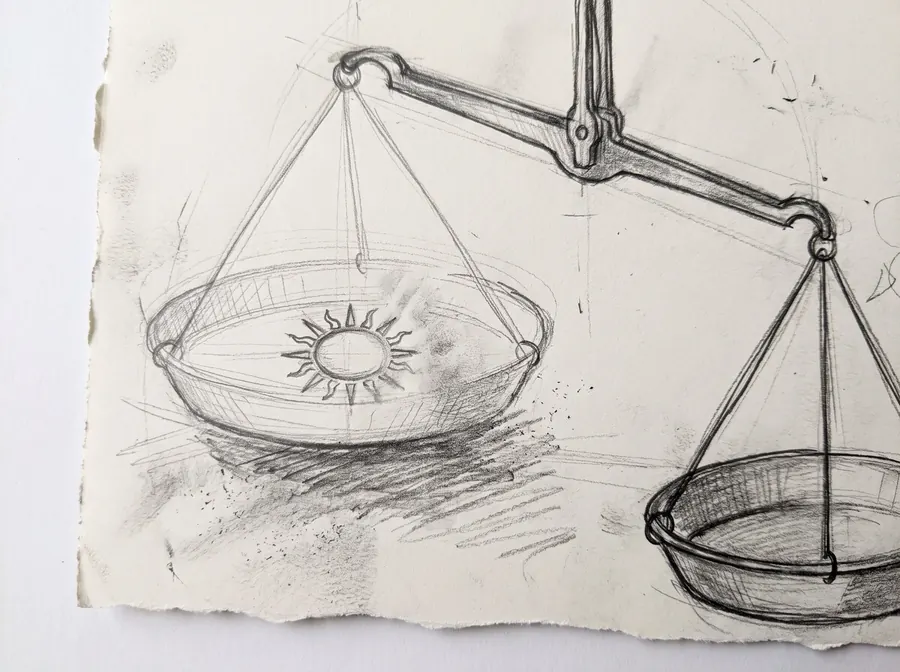
Somebody pledged the fire as collateral.
The First Bargain founded the vampire lines and set the terms of the debt. The fire of the sun was pledged against it, and it has been paying out ever since — century by century, on schedule, correctly. Nobody in the present did this. Everybody in the present is inside it.
So The series has no villain who invented the problem. It has a contract that has been performing exactly as written for two thousand years, and five books about what it costs to reopen one.
-
03
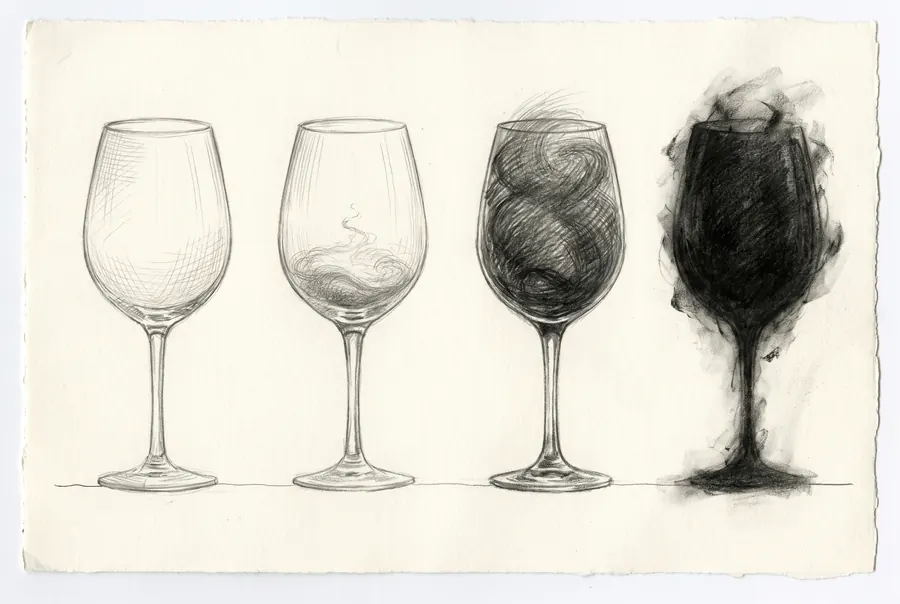
What is taken poisons the taker.
Blood given freely feeds a vampire. Blood taken by force feeds them too — and then begins to destroy the mind that took it, slowly, and without a cure. The same rule runs through every kind in the world: light seized rather than offered, a dream entered rather than invited, an oath assigned rather than sworn. All of it nourishes, and all of it rots.
So Consent in this world is not a moral position anyone argues for. It is a mechanical fact, closer to gravity than to virtue, and it is why a court that wants to survive develops an etiquette.
-
04
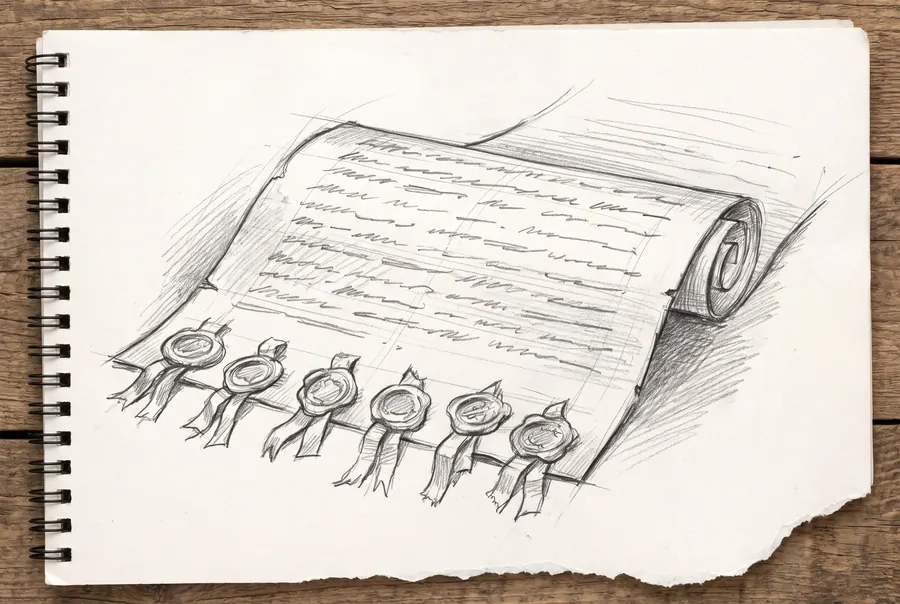
The harm is lawful, and correctly filed.
The Compact is the interspecies treaty that followed. It governs blood-tithes, court territories, border wardship and the rights of the willing, and it is enforced by officers who are mostly competent and mostly honest. It is also the source of most of the damage in these five books.
So If you are waiting for a corrupt official to be unmasked, that is not this series. The horror is a printed schedule, a Board that redistributes throughput, and a precedent nobody has reopened.
-
05
A town owes a name, and draws for it.
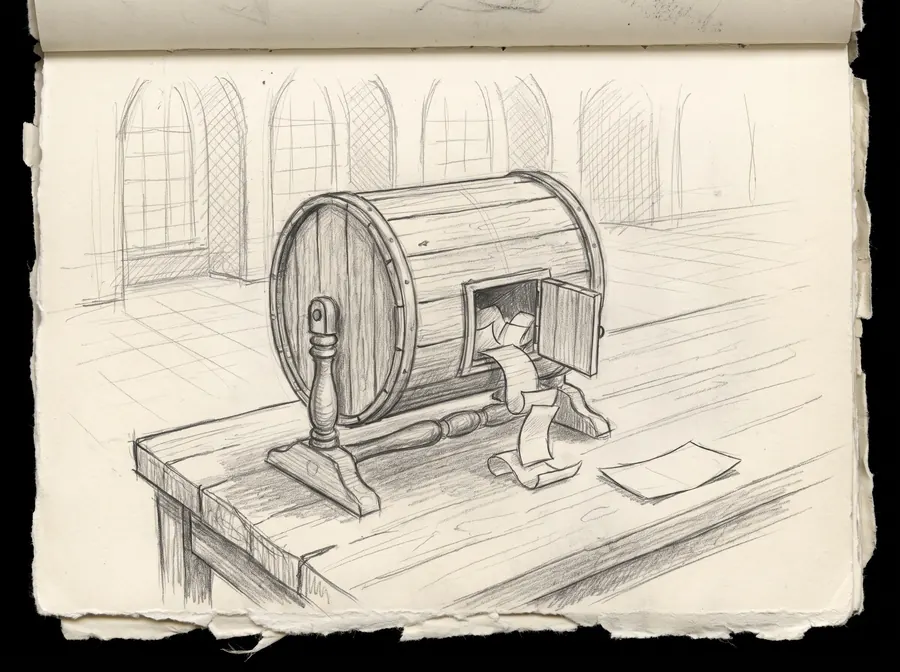
Under the Compact each light-band town owes a name to a court. The name is chosen by lottery on a fixed morning, in public, from a drum. Refusal is not illegal so much as unavailable: the town that refuses loses the protection the tithe buys, and everybody in the hall knows the arithmetic.
So Book One opens on Drawing morning, and on a woman who lies about whose name was called.
-
06
The older the vampire, the thinner the thread.
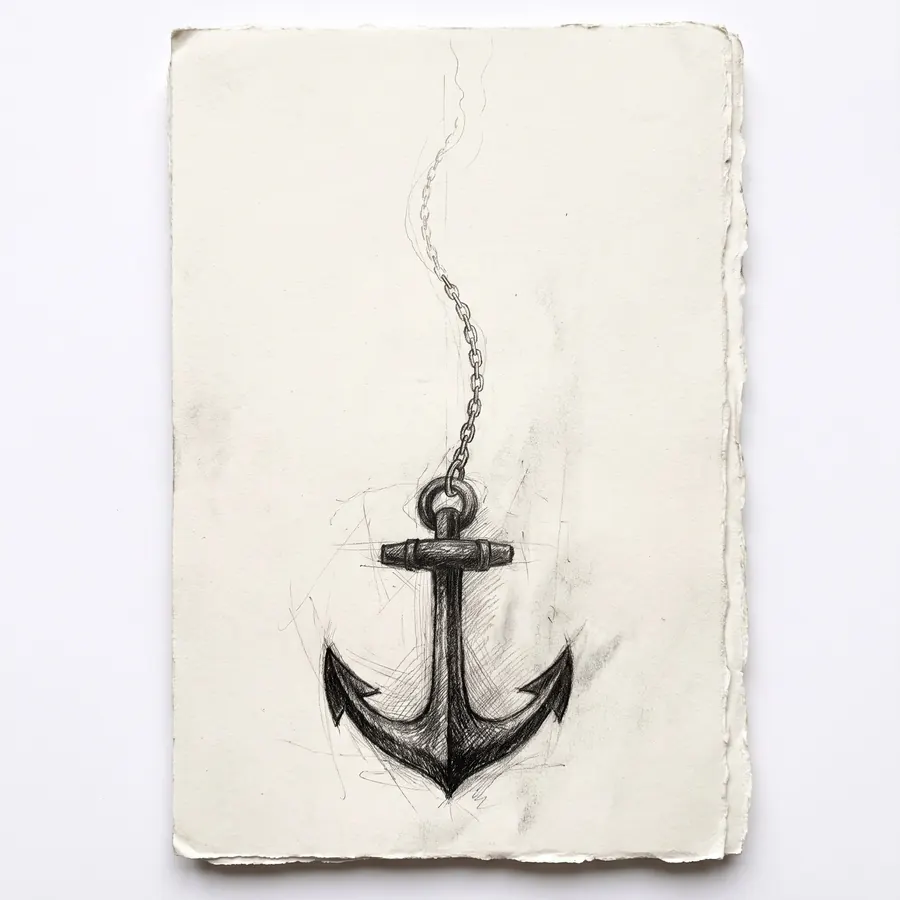
Centuries flatten feeling. An anchor is the living person an ancient keeps close in order to stay connected to anything at all — not a servant, not exactly a lover, and not a safe thing to be. The older the vampire, the less of them is still reachable, and the more the anchor is holding on their own.
So Every romance in the series is partly an argument about whether being needed that much is a gift or a weight, and none of the five books answers it the same way.
The kinds
Five appetites, one rule.
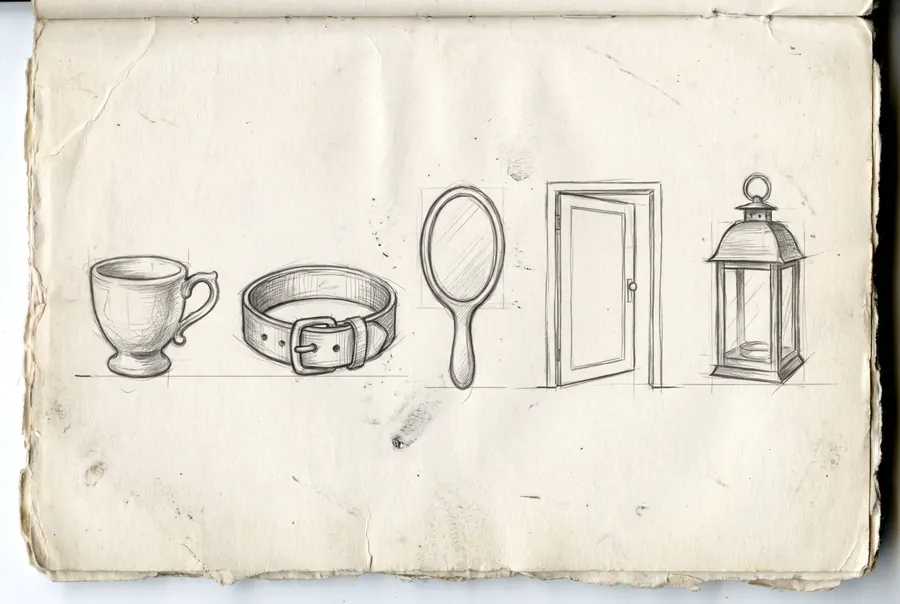
Five appetites, one rule. Read the third column down the page and the series' whole argument is there: every kind in this world has learned the same lesson mechanically rather than morally, which is the only reason it holds.
| Kind | Feeds on | Must ask for | What taking costs | Where | Book |
|---|---|---|---|---|---|
| Vampires | Blood | Every time, in words, from someone who can refuse | The rot — it feeds them, then destroys the mind that took it | The Nocturne Courts of the dusk-lands | I |
| The Veilborn | Nothing living — but they hold oaths, and an oath is a kind of hunger | A new oath for a new duty; a wolf cannot lie about wanting | An oath assigned onward without asking again rots the pack that carries it | The borderlands, signed in as wardens | II |
| The Lumen | Being wanted | Desire, freely given and specifically meant | Worship is not desire — it sustains them and starves them at once | Court Solmere, in the south | III |
| The Hollow | Dreams | Waking permission, at a table, in daylight | Nothing dreamt was ever anybody's to give; they are a passage, not a keeper | Doorways. Whatever room you are asleep in | IV |
| Humans | Nothing that belongs to anyone else | Nothing — which is precisely what makes them the centre of gravity | Everything above needs them, and need is what forces predators into politics | The light-band, walled and crowded | I |
The third column is the series. Read it down the page and you have the argument all five books are making, in five different registers, without any of them stopping to say it.
The world
- The Long Dusk
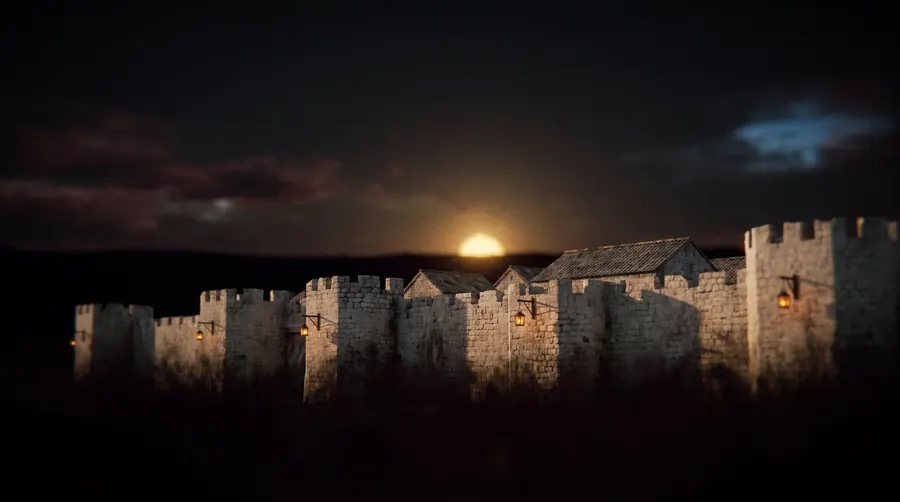
- The Long Dusk is the age these five books are set in: the sun is dimming over centuries rather than going out at once, and permanent twilight has spread from the poles inward. It is a setting with a clock on it.
- The light-band
- The light-band is the shrinking belt of true daylight around the equator where most humans still live, walled and crowded. Every heroine in the series either comes from it or is measuring what is left of it.
- The First Bargain
- The First Bargain is the ancient agreement that founded the vampire lines, and the reason the sun is failing: its fire was pledged as collateral. The series’ one-line premise is that the sun is not dying of age — it is being paid out.
- Dusk-land seasons
- Seasons in the dusk-lands are thermal rather than solar. “Winter” is when the ground-heat fails, not when the days shorten, because the days no longer meaningfully change.
- The dusk-lands
- The dusk-lands are everything the twilight has already taken — the old northern and southern latitudes, now permanently dim, where the courts rule openly and the coach roads run east out of the light. They are not ruins. They are administered.
- Ground-heat
-
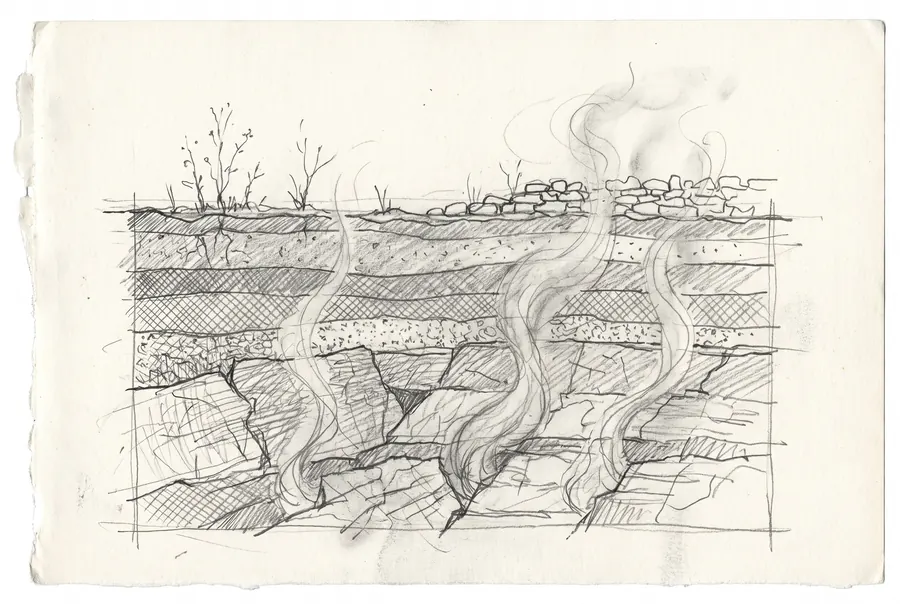
With the sun paid down, warmth comes up rather than down. Ground-heat is the residual warmth of the earth itself, and it is what the dusk-lands farm, heat and quarrel over. When it fails in a district, that district has a winter, whatever the calendar says.
- The coach road
-
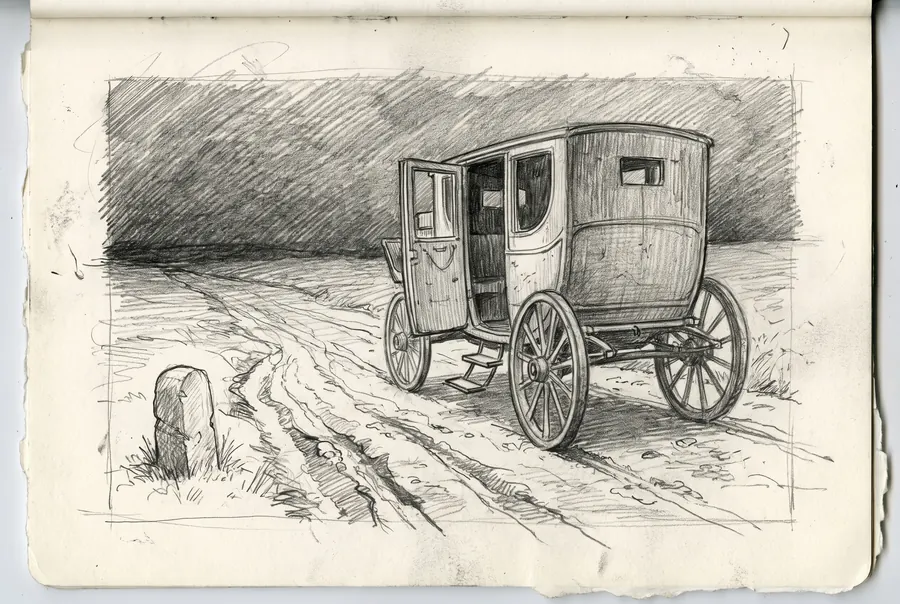
The eastern road out of the light-band and into the courts. It carries trade, officers, and the people the Compact has called. Book Two turns on the fact that the coaches leaving it stopped matching the coaches coming back, and that somebody had filed the difference correctly.
Law and money
- The Compact
- The Compact is the interspecies treaty that governs blood-tithes, court territories, and the rights of the willing. It is lawful, enforced by honest officers, and the source of most of the harm in these books — which is the point.
- The tithe
- A tithe is a human sent to a vampire court under the Compact. The series takes its first title from the practice and spends five books arguing with it.
- The Drawing
- The Drawing is the lottery by which a light-band town selects the name it owes a court. Book One opens on Drawing morning, and on a woman who lies about whose name was called.
- The rot
- The rot is what happens to a vampire who takes blood by force: it feeds them and then slowly destroys their mind. It is the mechanical reason consent matters in this world, rather than a moral one.
- An anchor
- An anchor is the living person an ancient vampire keeps close in order to stay connected to feeling at all. The older the vampire, the thinner that connection, and the more the anchor is holding.
- The ledger
- Every court, pack and Board in the Compact keeps one, and the series is largely an argument about them. A ledger in these books is never background: it is the instrument by which harm is made orderly, and three of the five volumes are resolved by somebody finally being shown the whole of one.
- The willing and the taken
- The Compact's oldest distinction, and the one it enforces least well. Blood, light, dreams and oaths all divide the same way — what is offered sustains, and what is taken poisons the taker. Every kind in this world has learned that mechanically rather than morally, which is why it holds.
- A clause
- The unit of damage in this series. Nothing in these five books is done by a villain with a plan; it is done by a clause that was drafted for one purpose, applied correctly for two hundred years, and never once reopened. Each volume is named for the instrument that finally reopens one.
- An audience
-
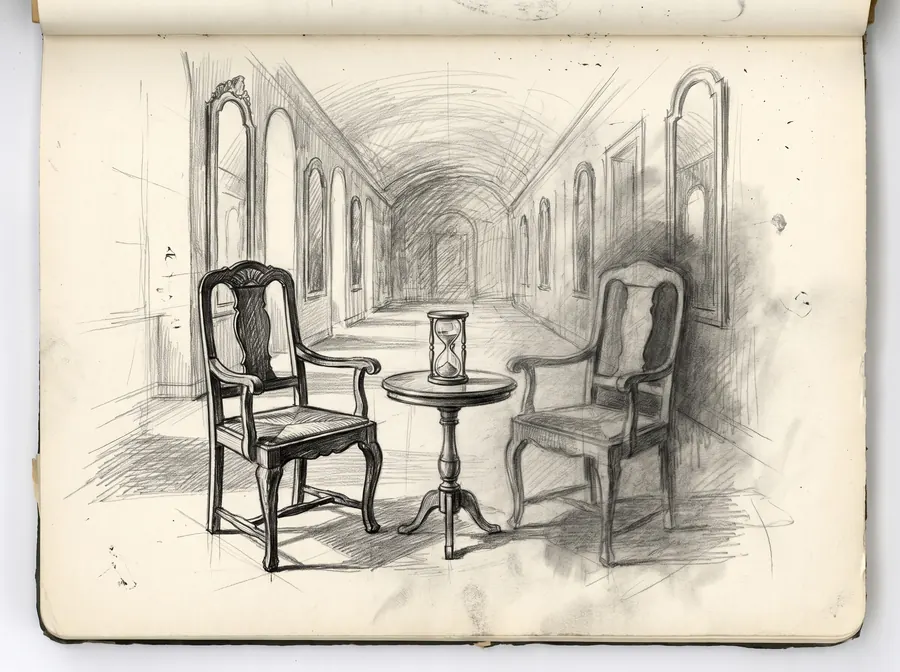
In Solmere, the formal nightly appointment at which one may ask the Queen for something and must trade a truth for the asking. Elsewhere in the Compact the word keeps its ordinary meaning, and the books use the collision on purpose.
Who is in it
- Nocturnals
- “Nocturnals” is the in-world word for every kind that woke as the sun began to fail. Vampires are only its ruling class.
- Vampires and the courts
- The vampires of the Nocturne Courts rule the dusk-lands openly rather than hiding in them, and their entire etiquette exists because blood must be asked for. Court Vespertine, the Duskmantle seat, is where the series begins and ends.
- The Veilborn
- The Veilborn are the wolf packs of the borderlands between dusk and daylight, signed into the Compact as border wardens and resentful of it ever since. A wolf cannot lie about wanting; their bodies announce it. Greywater is the pack at the centre of Book Two.
- The Lumen
- The Lumen are beings condensed out of the last of the light, beautiful and dying faster than anyone else. They feed on being wanted, and they trade in bargains. Solmere is their court, and Book Three is set in it.
- The Hollow
- The Hollow feed on dreams, slipping into sleep in a world where humans sleep more every year. They are the series’ hardest question about consent, and Book Four is built entirely on it.
- Humans
- Humans remain the centre of gravity. Every other kind needs them, and it is that need — not sentiment — that forces predators into politics, seduction, and occasionally love.
- The Nocturne Courts
- The vampire houses that govern the dusk-lands — Vespertine among them — each with its own seat, its own etiquette and its own reading of the Compact. They are a nobility with an administrative problem, not a secret society.
- Officers of the Compact
- Inquisitors, wardens, clerks and Boards. The series is unusual in that its institutional characters are mostly competent and mostly honest; the harm arrives through them anyway, on correctly completed forms. If you are waiting for a corrupt official to be unmasked, that is not the book.
- An instrument
- Each volume is built on one named legal or ceremonial device, and takes its shape from it: the asking, the four clauses, the Articles of Audience, the Waking Hour, the Renewal. No book reuses the last book's. The instrument is always also the love story's structure — what has to be said, to whom, in what order.
What holds the whole thing together
One rule, and every romance in the series is a version of it: what is taken poisons; what is offered sustains. Blood given freely feeds a vampire. Blood taken by force feeds them too, and then destroys their mind. That is not a moral in this world — it is mechanical, like gravity. It is why the courts have an etiquette, why the Compact exists, and why five love stories can be built on the same question and never repeat themselves.
Where each book sits in the world
I · DR 312 · the asking
The Tithe
She took her sister’s place in the Drawing. The lord of the dusk house was not supposed to want her. He was not supposed to ask.
II · DR 313 · the four clauses
The Hunt
She came to count the border. The alpha of Greywater would not let her file what she found.
III · DR 317 · the Articles of Audience
The Last Light
She went south to measure a reserve. The Queen of Solmere had been holding one note for a hundred and eleven years, and had never once been looked at.
IV · DR 321 · the Waking Hour
The Sleep
Something has been standing in Elise Vess’s sleep since she was eleven. It has never been given a name that would hold.
V · DR 323 · the Renewal
The Long Dawn
The debt that made this world is coming to the house. It has an appointment. It has never been paid in the currency it agreed.