The houses
Five houses, and the people holding them shut.
Every kind in the Long Dusk needs something from somebody else, and every house is an answer to the question of how to get it without taking it. These are the five the series is built on, in reading order.
Nothing here spoils anything. Each person is described as they are when their own book opens and no further, which is also the only part a reader deciding what to buy actually needs. The lexicon has the world itself.
The Duskmantle seat
Court Vespertine
The dusk-lands, east of the light-band, at the end of the coach road.
A vampire court that stopped taking. Sixty years before Book One the lord of Vespertine wrote a law for his own house — that nothing in his rooms would ever be taken again — and hung it where a guest could read it and check his behaviour against it. The house has kept that law since, and it is starving on it. Good silver, a staff that still sets a place, an east wing nobody discusses, and a cellar that should not exist. Vespertine is where the series begins and where it ends.
I · The Tithe · DR 312 · instrument: the asking · control, restraint, the bite
-
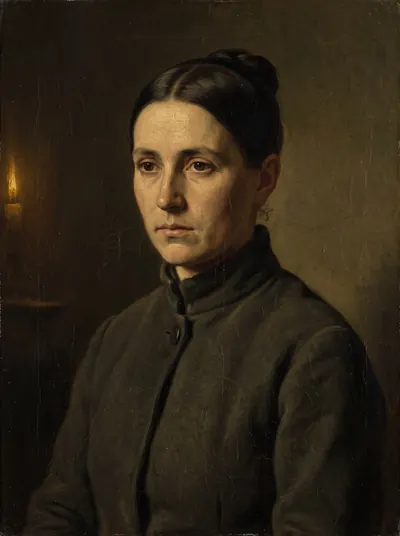
Liora Vess
Surgeon's daughter, of the light-band
Trained to cut, to keep a body alive, and to tell the truth about what is dying. When the Compact calls her sister's name at the Drawing, she lies, and goes east in that other woman's stead. She is not brave in the way that word is usually used. She is the one who knows how to stand in a room and not look away.
-
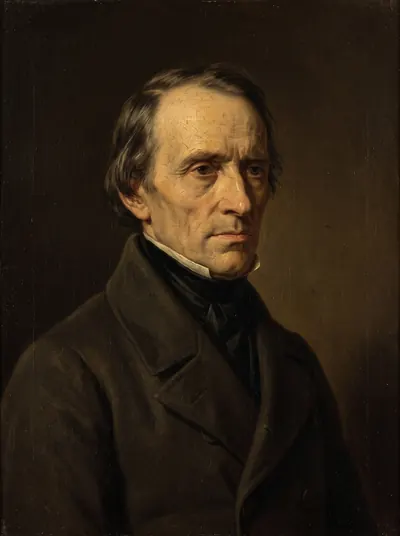
Corvain Duskmantle
Lord of Vespertine
Ancient, starving, and the author of the law that is killing him. He will not drink her. He will not touch her. He will not let her walk out until the Drawing is finished. The rot that has been eating him from the inside predates every woman who has ever loved him.
-
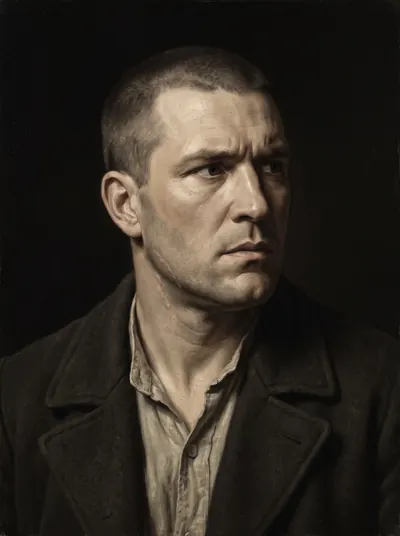
Rhen Marrow
The lord's wolf
He keeps the law too, and it costs him differently. A wolf cannot lie about wanting; his body announces it, in a house whose whole etiquette is built on not taking. He is the steadiest person in the building and the one with the least room to move.
A Veilborn pack
Greywater
The borderlands, where the dusk meets the last of the daylight.
The wolves were signed into the Compact as border wardens and have resented it ever since — a treaty that made them officers of a line they never asked to hold. Greywater sits on the eastern road, watching the coaches. Everything that goes wrong in Book Two is lawful, correctly filed, and enforced by honest officers, which is the whole problem: there is no conspiracy to unmask, only a printed schedule and a precedent.
II · The Hunt · DR 313 · instrument: the four clauses · primal, pursuit, claiming
-
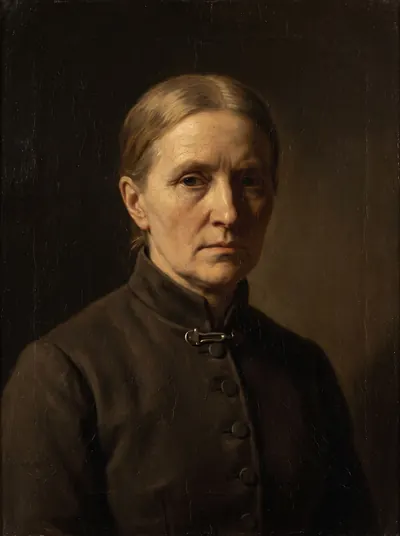
Maren Callow
Inquisitor of the second grade
She does not enjoy her work. She is extremely good at it. When the coaches leaving the eastern road stop matching the coaches that come back, she follows the numbers into pack country. She was raised in the orphanage that the clause she is investigating filled.
-
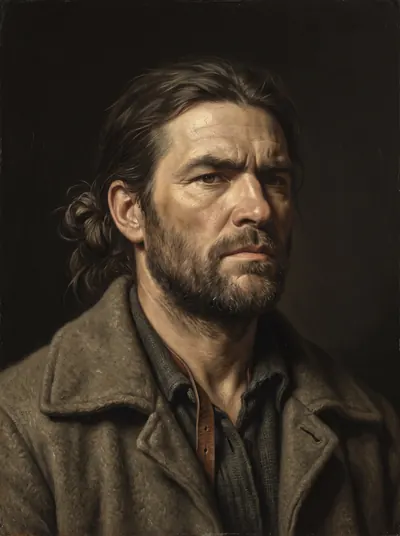
Sarn Veilborn
Alpha of Greywater
He will not be a line in anybody's report. He has been watching the same coaches she came to count, from the other side of the border and for longer. Neither of them can win this in the building that wrote the law.
The Lumen court
Court Solmere
The south, a palace of mirrors over the last hoarded daylight.
Splendour over famine. Solmere rations what remains of the world's stored sunfire and does not trade it, while its own court dims in the halls. The Lumen are not children of the sun — they fled it, and have misremembered that on purpose for two thousand years. Wanting, in this palace, is a food. Asking for it is a rite: one audience per night, one truth traded per audience.
III · The Last Light · DR 317 · instrument: the Articles of Audience · worship, denial, display
-
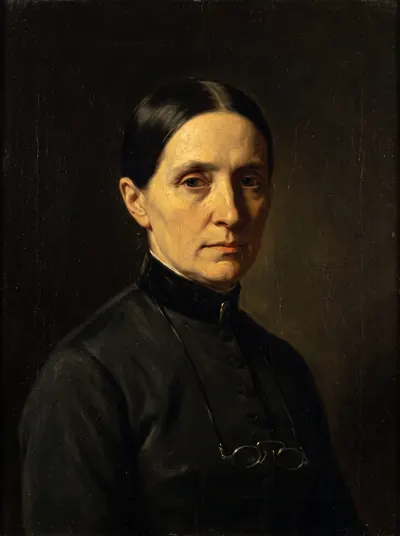
Ivenne Duskmantle
Keeper of the Vespertine accounts
Corvain's sister, famously unglamourable, and five centuries into not wanting anything — the family answer to the family wound. She goes south to ask for the one substance that has ever been shown to touch the rot in her brother's cellar.
-
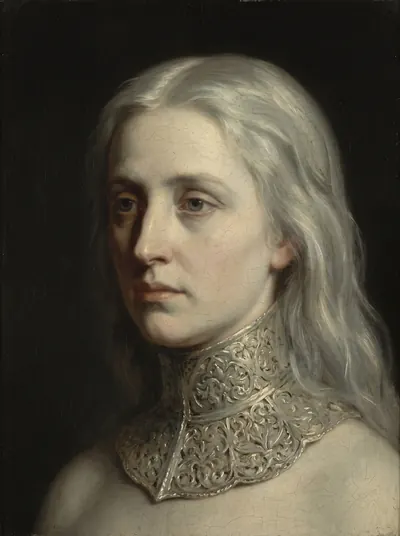
Aurelisse of Solmere
Queen, the oldest living light
Sustained for a century on the ambient worship of her subjects, and starving in every way that matters, because worship is not desire. She fixes on Ivenne at once: the only creature in that palace who looks at her without hunger, and therefore the first honest gaze in a hundred years.
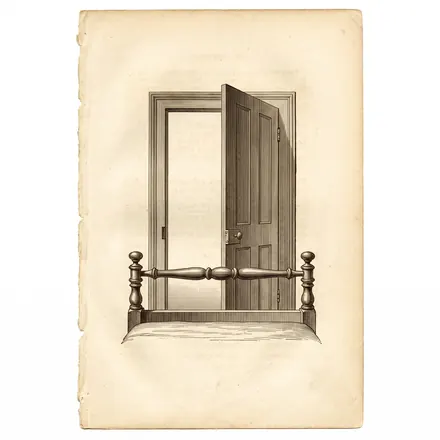
No court, no seat
The Hollow
Doorways. Whatever room you are asleep in.
The Hollow feed on dreams, in a world where humans sleep more every year. They hold no territory, sign no treaty and keep no house, which is exactly why the Compact has never known what to do with them. They are the series' hardest question about consent: a mouth is not a stomach, and nothing dreamt was ever anybody's to give.
IV · The Sleep · DR 321 · instrument: the Waking Hour · obsession, dream/waking edge
-
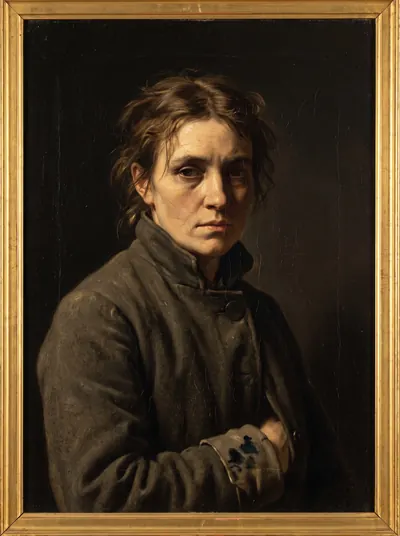
Elise Vess
Archivist of the Duskmantle estate
The best archivist in the treaty, and she knows it. Four years into the estate index at Vespertine she finds a covenant that is not missing by filing error — the gap has a shape. Something has been standing in her sleep since she was eleven.
-
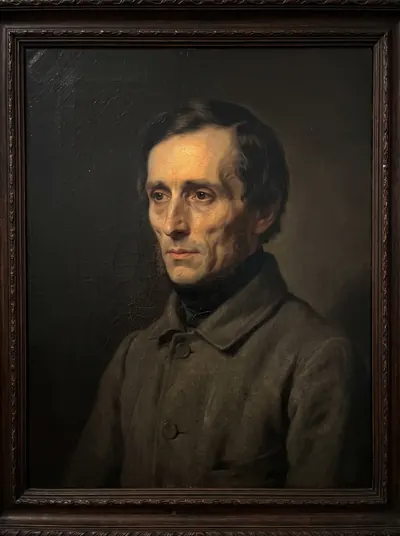
Vael
Hollow
Starving, and fluent only in the place where her yes does not count. He has stood in the doorway of her sleep every night since she was a child, and has been starving for it since she was old enough to know the difference. She will make him ask in the light.
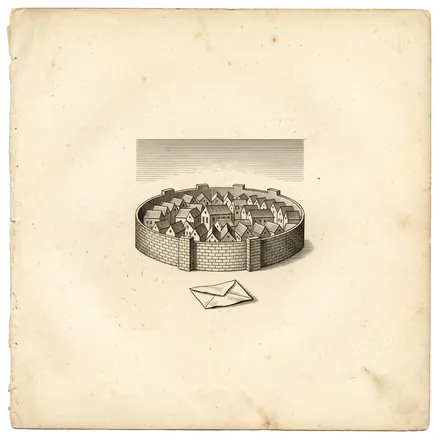
The human towns
The light-band
The shrinking belt of true daylight around the equator.
Walled, crowded, and still the centre of gravity. Every other kind needs humans, and it is that need — not sentiment — that forces predators into politics, seduction and occasionally love. The light-band towns are also what the Compact taxes: each owes a name to a court, drawn by lottery, on a morning everybody dreads and nobody refuses. Four of the five heroines come from here or are measuring what is left of it.
I · The Tithe · DR 312 · instrument: the asking · control, restraint, the bite
One rule, five houses
Each house is a different way of not taking, and each one is failing at it differently. Vespertine wrote the rule down and is starving on it. Greywater signed a treaty that made it the warden of a line it never wanted. Solmere hoards what it will not give and dims in its own halls. The Hollow have no house at all, which is why the law has never known where to put them. The light-band pays, and pays, and draws lots for who pays next.
What is taken poisons; what is offered sustains. That is mechanical in this world, not moral — closer to gravity than to virtue. It is why the courts have an etiquette at all, and why five love stories can be built on one question without repeating themselves.